Ignoring Altitude Sickness on Everest Base Camp, Nepal
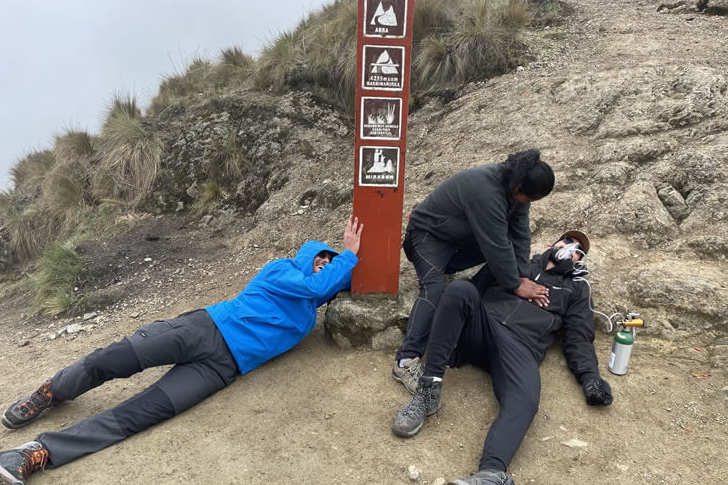
On the trek to Everest Base Camp in Nepal’s Khumbu Valley, some impatient hikers dangerously skip mandatory rest days needed for acclimatization. By ascending too rapidly, they risk a sudden, catastrophic drop in blood oxygen levels. This can trigger deadly high-altitude illnesses—cerebral or pulmonary edema, where the brain or lungs fill with fluid. In these remote, rugged mountains, with limited helicopter evacuation options and weather-dependent rescues, such a medical emergency often turns fatal. This preventable tragedy underscores that in the high Himalayas, the greatest danger is often not the terrain, but a disregard for the essential pace of ascent.
Thin air punishes the body gradually in Nepal – but Trolltunga’s exposed ledge punishes the bold instantly with gravity. Flip the page to thrill-seekers hanging off Norway’s famous outcrop, disregarding warnings and weather for the ultimate edge-of-the-world shot that slips into tragedy…